Operation Blackout Survival Guide: A Comprehensive Plan
Navigating potential disruptions requires foresight and preparation; individuals like Montaño Prado‚ with diverse skills‚ exemplify preparedness.
This guide details strategies for resilience‚ mirroring the proactive approach of professionals like Dr. Carlos Montaño.
Success hinges on adaptability‚ mirroring Sebastián Montaño’s commitment‚ and leveraging resources‚ similar to Leandro Santos’ expertise.
Planning‚ like Marisela Montaño’s educational pursuit‚ is crucial for navigating challenges and ensuring long-term safety during an outage.
Understanding the Threat
A comprehensive understanding of potential blackout scenarios is paramount for effective preparation. Operation Blackout isn’t a singular event‚ but a spectrum of possibilities ranging from localized grid failures to widespread‚ cascading disruptions. Considering the diverse backgrounds of individuals like Matías Montaño Prado – a full-stack developer and systems engineer – highlights the interconnectedness of modern infrastructure.
Potential causes are multifaceted‚ encompassing natural disasters‚ cyberattacks targeting critical infrastructure‚ geomagnetic disturbances‚ and even simple equipment failures. Geographic vulnerabilities vary significantly; densely populated areas and regions reliant on aging infrastructure are particularly at risk. Assessing your specific location’s risk‚ much like César Montaño Galarza’s analytical approach at the CAEI‚ is vital. Proactive awareness‚ mirroring the dedication of professionals like Dr. Carlos Montaño‚ is the first step towards mitigating the impact of a potential blackout.
What is an Operation Blackout?
“Operation Blackout” refers to the potential for a prolonged and widespread power outage‚ significantly disrupting essential services and daily life. It’s not necessarily a coordinated attack‚ though that’s a possibility; rather‚ it describes a scenario where a cascading failure overwhelms the power grid’s capacity to recover quickly. Think of it as a systemic vulnerability‚ much like the interconnected skills of a professional like Matías Montaño Prado.
This can manifest as regional blackouts affecting multiple states or‚ in a worst-case scenario‚ a national grid collapse. The term gained prominence due to concerns about vulnerabilities in the North American power grid. Understanding this potential‚ similar to Sebastián Montaño’s focused academic work‚ is crucial. Preparation isn’t about fearing a specific event‚ but about building resilience‚ echoing the proactive approach of individuals like Leandro Santos‚ prepared for diverse challenges.
Potential Causes of a Widespread Blackout
Numerous factors can trigger a widespread blackout‚ ranging from natural disasters to deliberate attacks. Severe weather events – hurricanes‚ ice storms‚ extreme heat – are frequent culprits‚ overwhelming infrastructure. However‚ the grid’s increasing complexity introduces new vulnerabilities. A cyberattack targeting critical infrastructure‚ mirroring the sophisticated skills of developers like Matías Montaño Prado‚ poses a significant threat.
Equipment failure‚ aging infrastructure‚ and insufficient investment in grid modernization also contribute. Geomagnetic disturbances (solar flares) can induce damaging currents in power lines. Cascading failures‚ where one localized outage triggers others‚ are particularly dangerous. Like the diverse expertise of Dr. Carlos Montaño‚ a multi-faceted approach to understanding these causes is vital. Proactive planning‚ akin to Leandro Santos’ professional dedication‚ is key to mitigating risk.
Geographic Vulnerabilities & Risk Assessment
Certain regions face heightened blackout risks due to geographic and infrastructural factors. Coastal areas are susceptible to hurricanes and storm surges‚ potentially damaging power plants and transmission lines. Regions reliant on limited transmission corridors are vulnerable to cascading failures. Areas with aging infrastructure‚ requiring modernization like the dedication of professionals such as Sebastián Montaño‚ are at increased risk.
The interconnectedness of the grid means a failure in one region can impact others. Understanding local vulnerabilities – proximity to fault lines‚ susceptibility to extreme weather – is crucial. A risk assessment‚ similar to the comprehensive approach of Dr. Carlos Montaño‚ should consider potential impacts on critical services. Prioritizing resilience measures based on localized threats‚ mirroring the proactive nature of Matías Montaño Prado‚ is essential for effective preparedness.
Immediate Actions During a Blackout

Upon initial power loss‚ prioritize safety and information gathering. Immediately secure your home‚ locking doors and windows‚ mirroring a defensive strategy. Verify the outage isn’t localized to your property. Activate pre-planned communication strategies – a battery-powered radio is vital‚ avoiding reliance on potentially overloaded cell networks.
Assess the situation calmly‚ like the methodical approach of Leandro Santos. Locate flashlights (avoid candles) and ensure family members are accounted for. If medical devices require power‚ activate backup systems. Remember the importance of a prepared mindset‚ akin to the dedication of Marisela Montaño in her studies. Conserve phone battery and limit usage to essential communication‚ reflecting the proactive nature of professionals like Montaño Prado.
Securing Your Home & Family
Initial blackout moments demand swift action to safeguard loved ones and property. Immediately lock all exterior doors and windows‚ reinforcing security as a primary defense. Designate a safe room – an interior space without windows – for potential shelter‚ mirroring a proactive approach like Sebastián Montaño’s commitment.
Account for all family members and pets‚ establishing a communication plan if separated. Ensure everyone knows the location of emergency supplies. Disable non-essential appliances to prevent surges when power returns. Like Dr. Carlos Montaño’s patient care‚ prioritize vulnerable individuals – children‚ elderly‚ or those with medical needs. Maintain situational awareness‚ observing surroundings for any unusual activity‚ reflecting the vigilance of professionals like Prado.
Emergency Communication Strategies
During a blackout‚ conventional communication methods may fail‚ necessitating alternative strategies. A battery-powered or hand-crank radio is vital for receiving emergency broadcasts‚ mirroring the resourcefulness of individuals like Leandro Santos. Pre-arrange a designated out-of-state contact person; family members can relay information through this central point‚ similar to a coordinated effort like that of the CAEI.
Consider walkie-talkies for short-range communication within your group. If cell service remains‚ conserve battery life by limiting calls to essential updates. Utilize text messaging‚ as it requires less bandwidth than voice calls. Like Marisela Montaño’s pursuit of education‚ continuous learning about emergency communication technologies is crucial. Document important numbers and information offline‚ reflecting the preparedness of professionals like Montaño Prado.
First Aid & Medical Preparedness
A comprehensive first-aid kit is paramount during a blackout‚ mirroring the detailed CV of professionals like Dr. Carlos Montaño. Include bandages‚ antiseptic wipes‚ pain relievers‚ and any personal medications – a proactive approach akin to Sebastián Montaño’s commitment. Knowledge of basic first aid and CPR is invaluable; consider taking a certification course.
Prepare a list of emergency contacts‚ including doctors and local hospitals. If you rely on medical devices requiring electricity‚ have a backup power source or a plan for manual operation. Like the thoroughness of Leandro Santos’ psychological expertise‚ anticipate potential injuries and illnesses. Maintaining hygiene‚ similar to the focus on well-being‚ is crucial for preventing infection. Prioritize preventative measures‚ reflecting the foresight of individuals like Montaño Prado.
Essential Supplies for Long-Term Survival
Sustained survival demands meticulous preparation‚ much like the detailed planning evident in professionals’ CVs – consider Marisela Montaño’s dedication to education. Prioritize water storage; aim for at least one gallon per person per day‚ alongside purification methods. Stockpile non-perishable food items with a long shelf life‚ mirroring the enduring skills of someone like Montaño Prado.
Invest in reliable lighting solutions – flashlights‚ lanterns‚ and candles – and explore alternative power sources like hand-crank radios or solar chargers. A well-equipped toolkit‚ reflecting the problem-solving abilities of individuals like Sebastián Montaño‚ is essential for repairs. Don’t overlook sanitation supplies and personal hygiene items‚ echoing the thoroughness of Leandro Santos’ professional approach. Long-term resilience requires foresight and comprehensive resourcefulness.
Water Storage & Purification Methods
Securing a potable water supply is paramount during prolonged outages‚ demanding a proactive approach akin to the detailed preparation seen in professionals’ curricula vitae‚ like those of the Montaño family. Store at least one gallon per person‚ per day‚ for drinking and sanitation. Utilize food-grade containers and rotate stock every six months.
Purification is equally vital. Boiling water for one minute effectively eliminates most pathogens. Consider investing in water filters capable of removing sediment and bacteria‚ mirroring the thoroughness of someone like Leandro Santos. Purification tablets offer a lightweight‚ portable solution. Rainwater harvesting‚ when feasible‚ provides an additional source‚ demanding careful filtration; Prioritize water conservation; every drop counts when relying on limited reserves‚ reflecting the resourcefulness of individuals like Montaño Prado.
Food Storage: Non-Perishable Options
A well-stocked pantry is crucial for surviving an extended blackout‚ demanding foresight similar to the detailed planning evident in professionals’ CVs‚ like those of the Montaño individuals. Focus on non-perishable staples: canned goods‚ dried fruits‚ nuts‚ and grains. These provide essential calories and nutrients‚ mirroring the sustained effort of someone like Sebastián Montaño.
Consider long-term storage options like freeze-dried meals‚ offering extended shelf lives. Rotate your stock regularly‚ utilizing the “first in‚ first out” method. Don’t forget comfort foods – morale is important! Like Dr. Carlos Montaño’s dedication to patient well-being‚ prioritize nutritional needs. A balanced diet boosts immunity and resilience. Remember‚ self-sufficiency‚ like that demonstrated by individuals pursuing higher education‚ is key to navigating challenging circumstances.
Lighting & Alternative Power Sources
When the grid fails‚ illumination and power are vital. Prioritize battery-powered lanterns and flashlights‚ ensuring ample battery supplies – a proactive step mirroring the preparedness of individuals like Matías Montaño Prado. Consider hand-crank or solar-powered options for sustainable lighting‚ reflecting the resourcefulness of someone like Leandro Santos.
For essential power needs‚ explore portable power stations charged beforehand. Small generators can provide limited power‚ but require safe ventilation – crucial like the careful detail in a CV. Candles offer light but pose fire hazards; use cautiously. Like the commitment shown by professionals such as Marisela Montaño‚ a layered approach – combining multiple sources – maximizes reliability. Remember‚ energy independence is a cornerstone of blackout survival.
Maintaining Security & Safety
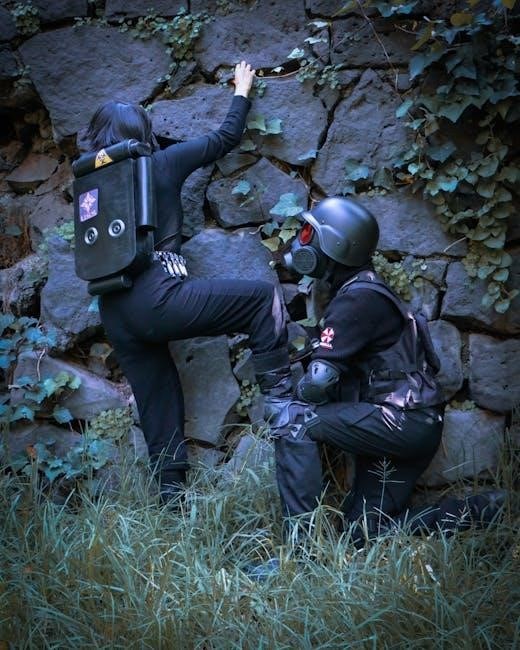
A blackout can unfortunately increase security risks. Bolster home defenses – reinforce doors and windows‚ mirroring the proactive approach of someone like Sebastián Montaño. Establish a neighborhood watch‚ fostering community cooperation‚ similar to the collaborative spirit within the Universidad de Los Andes.
Develop a communication plan with neighbors‚ utilizing walkie-talkies if other methods fail. Be discreet about resources; avoid displaying stockpiles. Prepare for potential civil unrest‚ understanding that desperation can arise. Like the detailed preparation in a curriculum vitae‚ anticipate potential scenarios. Self-defense knowledge is valuable‚ but prioritize de-escalation. Remember‚ maintaining calm and fostering mutual aid‚ as exemplified by professionals like Dr. Carlos Montaño‚ are crucial for collective safety.
Home Defense Strategies
Securing your home is paramount during a blackout. Reinforce entry points – doors and windows – with stronger locks and potentially barricades. Consider window film to deter easy access‚ mirroring the meticulous detail found in a professional CV like that of Leandro Santos. Establish clear lines of sight around your property‚ removing obstructions.
Develop a layered defense: exterior lighting (if power allows‚ or solar-powered)‚ alarm systems (battery backup essential)‚ and interior safe rooms. Familiarize yourself with self-defense techniques‚ but prioritize avoidance and de-escalation. Like the proactive approach of Matías Montaño Prado‚ preparation is key. A well-defined plan‚ practiced with family members‚ is more effective than reactive measures. Remember‚ a secure home provides a vital sanctuary during uncertain times;
Community Cooperation & Mutual Aid
A blackout’s impact is lessened through collective effort. Establish communication networks with neighbors – a simple low-tech approach is often best‚ echoing the fundamental connection highlighted in César Montaño Galarza’s community leadership. Share resources: water‚ food‚ first aid supplies‚ and skills. Individuals like Sebastián Montaño‚ dedicated to collaboration‚ understand the power of shared knowledge.
Organize neighborhood watch groups for security‚ mirroring the proactive defense strategies discussed earlier. Identify vulnerable individuals – the elderly‚ those with medical needs – and offer assistance. Mutual aid isn’t just about receiving help; it’s about contributing your strengths‚ like the diverse skillset of Matías Montaño Prado. A resilient community‚ built on trust and cooperation‚ significantly improves survival odds.
Dealing with Potential Civil Unrest
Prolonged outages can unfortunately escalate tensions‚ potentially leading to civil unrest. Avoid confrontation; prioritize de-escalation techniques. Maintain a low profile and secure your home – reinforcing the importance of the ‘Securing Your Home & Family’ strategies. Be aware of your surroundings and monitor local news (if available) for updates‚ mirroring the informed approach of professionals like Dr. Carlos Montaño.
Do not engage in looting or other illegal activities. Community cooperation‚ as emphasized by César Montaño Galarza’s leadership‚ is vital for maintaining order. If faced with a direct threat‚ prioritize the safety of yourself and your family. Remember‚ preparedness‚ like the diligent CV of Marisela Montaño‚ includes anticipating and planning for worst-case scenarios. Self-reliance and a calm demeanor are crucial during chaotic times.
Long-Term Sustainability
Beyond immediate survival‚ establishing long-term sustainability is paramount. This necessitates a shift towards self-sufficiency‚ embracing skills like gardening and food production – a proactive approach mirroring the dedication of individuals like Matías Montaño Prado. Explore alternative heating and cooking methods‚ reducing reliance on external resources. Efficient waste management and sanitation are crucial for preventing disease‚ echoing the preventative mindset of healthcare professionals like Dr. Carlos Montaño.
Consider rainwater harvesting and composting. Develop skills in repair and maintenance‚ embodying the resourceful spirit of Sebastián Montaño. Long-term resilience‚ like the detailed CV of Leandro Santos‚ requires continuous learning and adaptation. Building a sustainable lifestyle isn’t merely about surviving; it’s about thriving in a changed world‚ demanding commitment and foresight.
Gardening & Food Production
Establishing a reliable food source is critical during prolonged outages. Gardening and food production offer independence‚ mirroring the proactive planning seen in professionals like Montaño Prado. Prioritize fast-growing‚ nutrient-rich vegetables – consider root vegetables for storage‚ similar to the detailed planning in Santos’ CV. Seed saving is essential for future harvests‚ embodying the long-term vision of individuals like Dr. Montaño.
Explore vertical gardening techniques for space efficiency. Learn basic composting to enrich soil‚ reflecting the resourceful nature of Sebastián Montaño. Small-scale livestock‚ if feasible‚ can provide protein. Remember‚ successful gardening requires knowledge and consistent effort‚ much like the dedication shown by Marisela Montaño in her studies. A sustainable food supply is a cornerstone of long-term resilience.
Alternative Heating & Cooking Methods
Reliance on electricity for heating and cooking is unsustainable during a blackout. Explore alternative methods for survival‚ demanding preparedness akin to Montaño Prado’s skillset. Wood-burning stoves offer efficient heating‚ but require safe installation and ventilation. Consider propane or butane stoves for cooking‚ ensuring proper storage and usage‚ mirroring the detailed planning in Leandro Santos’ work.
Rocket stoves are fuel-efficient options for cooking with limited resources‚ embodying the resourceful spirit of Sebastián Montaño. Solar ovens harness the sun’s energy‚ offering a sustainable solution. Remember safety precautions with any alternative heating source – carbon monoxide poisoning is a serious risk. Like Dr. Montaño’s patient care‚ prioritize safety and well-being. Adaptability‚ like Marisela Montaño’s studies‚ is key.
Waste Management & Sanitation
Maintaining sanitation during a prolonged blackout is critical for preventing disease. Traditional plumbing may be non-functional‚ demanding resourceful solutions‚ much like the adaptability shown by Montaño Prado. Implement a composting toilet system or utilize designated waste containers with liners‚ mirroring the organized approach of Leandro Santos. Proper disposal of human waste prevents contamination and health hazards.
Garbage should be burned safely (where permitted) or stored securely to avoid attracting pests‚ reflecting the proactive mindset of Sebastián Montaño. Prioritize hygiene – handwashing with soap and water (or sanitizer) is paramount. Like Dr. Montaño’s medical expertise‚ preventative measures are vital. Consider the long-term implications‚ similar to Marisela Montaño’s educational path‚ for sustainable waste solutions.
Health & Hygiene During a Prolonged Outage
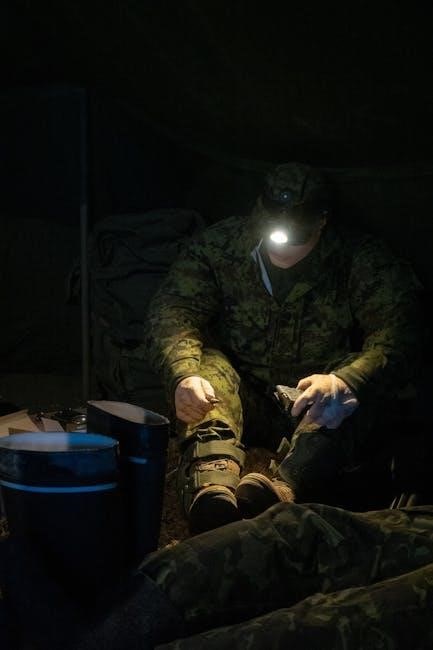
Maintaining health during an extended blackout requires diligent hygiene practices. Access to clean water is paramount; purification methods‚ like those potentially understood by a systems engineer such as Montaño Prado‚ become essential. Prioritize handwashing with soap and water‚ or utilize hand sanitizer‚ mirroring the preventative care advocated by Dr. Carlos Montaño.
Wound care is crucial – clean and bandage any injuries promptly‚ reflecting the attention to detail of Leandro Santos. Conserve medical supplies and ration them carefully. Mental wellbeing is equally important; stress management techniques‚ like those potentially employed by a psychologist like Santos‚ are vital. Adaptability‚ similar to Sebastián Montaño’s commitment‚ and proactive planning‚ like Marisela Montaño’s studies‚ are key to navigating health challenges.
Maintaining Personal Hygiene
Personal hygiene drastically impacts health during a prolonged blackout. Water conservation is critical; prioritize essential cleaning over non-essential uses‚ a skill potentially appreciated by a resourceful individual like Montaño Prado. Utilize dry shampoos and body wipes to minimize water consumption. Oral hygiene remains vital – use toothpaste sparingly or explore alternatives like baking soda.
Waste disposal becomes challenging; establish a designated sanitation area‚ reflecting the organizational skills of someone like Leandro Santos. Clothing hygiene is also important; rotate clothing to extend wear and air them out regularly. Remember‚ preventative measures‚ mirroring the care of Dr. Carlos Montaño‚ are far more effective than reactive treatment. Adaptability‚ like Sebastián Montaño’s approach‚ and consistent effort‚ akin to Marisela Montaño’s studies‚ are crucial for maintaining hygiene.
Preventing the Spread of Disease
Disease spreads rapidly in compromised sanitation conditions during a blackout. Prioritize handwashing with soap and any available water‚ even limited amounts‚ echoing the preventative care of Dr. Carlos Montaño. If water is scarce‚ utilize hand sanitizer. Proper waste disposal‚ similar to the organizational skills of Leandro Santos‚ is paramount – bury human waste far from water sources.
Food safety is crucial; consume perishable items first and practice safe food handling‚ reflecting the diligence of someone like Matías Montaño Prado. Isolate sick individuals to prevent wider infection‚ mirroring a proactive approach. Maintain a clean living space‚ utilizing available resources‚ and be mindful of potential vectors like insects. Adaptability‚ like Sebastián Montaño’s commitment‚ and consistent vigilance‚ akin to Marisela Montaño’s studies‚ are vital for minimizing disease risk.
Mental Health & Stress Management
Prolonged blackouts induce significant stress and anxiety. Acknowledge these feelings; mirroring the understanding of a professional like Leandro Santos‚ acceptance is the first step. Maintain routines as much as possible‚ providing a sense of normalcy‚ similar to the structured approach of Matías Montaño Prado.
Engage in calming activities – reading‚ meditation‚ or simply spending time with family‚ reflecting the dedication of Dr. Carlos Montaño to well-being. Limit exposure to negative news‚ and focus on problem-solving‚ embodying Sebastián Montaño’s proactive nature. Support each other emotionally‚ fostering a sense of community‚ like the collaborative spirit of the Centro Andino de Estudios Internacionales. Remember‚ resilience‚ akin to Marisela Montaño’s perseverance in education‚ is key to navigating this challenging period.
Post-Blackout Recovery
Recovery demands a systematic approach‚ much like a well-defined curriculum vitae. Begin by carefully assessing damage to your home and property‚ documenting everything for insurance claims – a detail-oriented task mirroring the precision of Montaño Prado’s development work. Prioritize restoring essential services‚ starting with water and sanitation‚ reflecting the foundational needs addressed by professionals like Dr. Montaño.
Re-establish communication networks‚ utilizing any available means‚ echoing the connectivity focus of individuals like Sebastián Montaño. Collaborate with your community‚ sharing resources and assisting those in need‚ embodying the spirit of mutual aid. Finally‚ develop a long-term resilience plan‚ learning from the experience‚ similar to Leandro Santos’ continuous professional development‚ to better prepare for future disruptions.
Assessing Damage & Restoring Services
A methodical assessment‚ akin to a detailed CV like that of Marisela Montaño‚ is paramount. Begin with a safety inspection‚ checking for structural damage‚ gas leaks‚ and electrical hazards – prioritize safety above all else. Document all damage with photographs and notes‚ crucial for insurance claims and assistance applications. Next‚ focus on restoring essential services: water‚ sanitation‚ and then power‚ if possible.
Contact utility companies to report outages and inquire about restoration timelines‚ mirroring the proactive communication skills of professionals like Montaño Prado. Prioritize repairs based on necessity‚ addressing critical infrastructure first. Remember‚ restoration may be phased‚ requiring patience and community cooperation‚ much like collaborative projects undertaken by individuals like Dr. Carlos Montaño.
Re-establishing Communication Networks
Effective communication‚ much like Sebastián Montaño’s professional network‚ is vital post-blackout. Initially‚ rely on battery-powered radios for emergency broadcasts and information updates. Ham radio operators can provide crucial links when other systems fail – seek them out. Once cellular networks partially restore‚ prioritize brief‚ essential communications to avoid congestion‚ mirroring the concise information found in a CV like Santos Leandro’s.
Utilize text messaging‚ as it requires less bandwidth than voice calls. Establish a designated communication hub within your community‚ facilitating information sharing. Consider pre-arranged communication plans with family and out-of-state contacts‚ similar to the structured approach of professionals like Montaño Prado. Patience is key; full network restoration may take time‚ demanding adaptability and resourcefulness.
Long-Term Resilience Planning
Beyond immediate survival‚ sustained resilience demands proactive planning‚ akin to the career trajectory of individuals like Dr. Carlos Montaño. Analyze the causes of the blackout to mitigate future risks – reinforce home defenses and diversify resource acquisition. Develop skills in areas like gardening (food production) and basic repairs‚ mirroring the self-reliance demonstrated by proactive individuals.
Establish robust community networks for mutual aid and knowledge sharing‚ similar to the collaborative spirit within academic departments like Sebastián Montaño’s at Universidad de Los Andes. Document lessons learned from the event‚ creating a family preparedness manual. Continuous learning and adaptation‚ like Marisela Montaño’s ongoing education‚ are crucial for long-term security and self-sufficiency.